

The Minority New Patriotic Party (NPP) in Parliament is demanding an immediate reversal of what it describes as a cumulative 28% hike in electricity tariffs, accusing the government of exploiting already struggling Ghanaians and businesses.
According to the Caucus, the latest round of tariff increments is not only unjustifiable but also represents a direct attack on the livelihoods of citizens who are already battling unbearable living conditions.
“Ghanaians deserve relief and not repeated shocks and exploitation,” the Minority said, insisting that the hikes must be withdrawn without delay.
Also read: Wicked or Avatar? Hollywood gears up for Golden Globe nominations
“Our position remains firm and non-negotiable, and these tariff hikes must be reversed to protect consumers and sustain businesses.”
Malicious tariff hikes
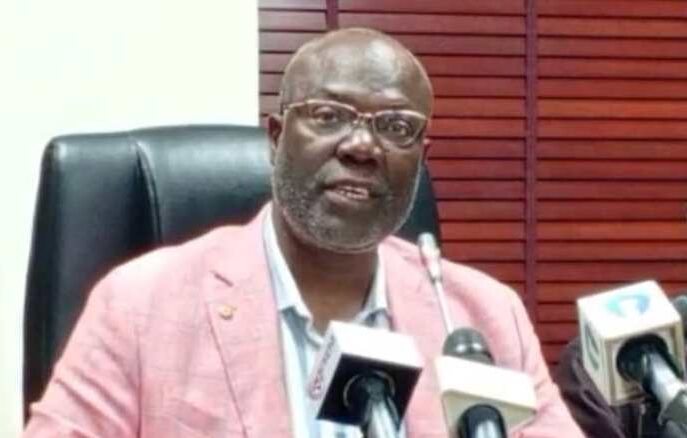
Addressing the media on Monday, December 8, the Ranking Member on the Energy Committee and MP for Assin Akroso-Manso, George Kwame Aboagye, accused the government of deliberately burdening the public with oppressive electricity costs while neglecting festering inefficiencies within the power sector.
He said the cumulative 28.14% tariff increase within a short period exposes a failed leadership approach, especially as the government has made no meaningful progress in addressing 32% commercial and technical losses that continue to drain the sector.
“These tariff hikes are not reforms; they are punishment. They are not solutions; they are symptoms of failed leadership and poor policy choices,” he stressed.
Power sector leakages
The caucus noted that Ghana’s normal power demand stands at about 3,500MW, with a recent peak of 4,080MW. The 32% system losses translate into an alarming 1,120MW to 1,305MW being wasted.
When valued at 16 cents per kilowatt hour (as of March 2025), the losses amount to between US$80 million and US$90 million annually.
The Minority argues that fixing these inefficiencies would save the country millions of dollars and reduce the pressure on consumers.
“Why does the government ignore this reality and instead impose measures that further impoverish Ghanaians? Instead of fixing the system, the government has chosen the lazy path of shifting its failures onto already suffering consumers,” the caucus lamented.
They warned that the tariff hikes will erode the recently announced 9% wage adjustment for 2026, worsening financial distress for workers and households.
Severe consequences
The Ranking Member cautioned that Ghana faces grave risks if the government refuses to reverse the tariffs. He explained that utility poverty will deepen as more families find themselves unable to afford electricity. Small and medium enterprises, which form the backbone of the economy, risk collapse under rising operational costs, triggering job losses as companies scale down or shut down.
He warned that national productivity and competitiveness will further deteriorate, plunging households and businesses into heightened social and economic hardship.