

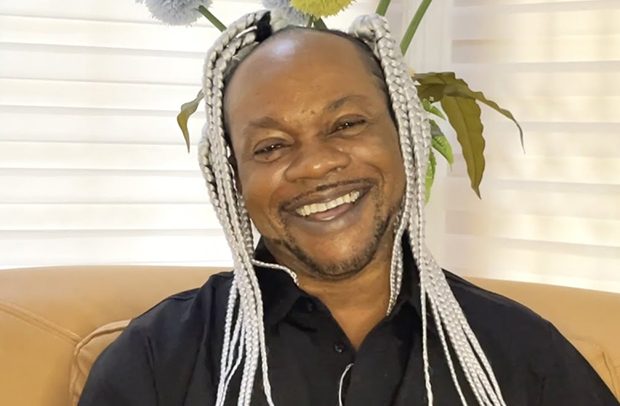

The High Court in Accra has officially confirmed that there is no last will associated with the late highlife legend Charles Kwadwo Fosuh, commonly known as Daddy Lumba, lodged with its Probate and Administration Division.
This confirmation follows an official search of the registry, conducted as part of ongoing processes related to the administration of the celebrated musician’s estate.
The search aimed to determine whether Daddy Lumba had deposited a will with the court before his death. It included inquiries into the existence of any will, the date of filing, the individual who submitted it, and the legal practitioner who may have prepared the document.
Also read: President Mahama appeals to global north to support Accra Reset Agenda
However, the findings revealed that no such will is on file with the division’s registry.
A formal response issued by the Probate and Administration Division, dated January 19, 2026, at 2:37 p.m., confirmed that there is no record of any will filed in the name of the late musician. The document bears the official stamp and signature of the Registrar, validating these findings.
Intestate succession law
The absence of a will on record means that, unless another valid testamentary document surfaces elsewhere, Daddy Lumba’s estate is expected to be administered under Ghana’s intestate succession laws.
Under these laws, the distribution and management of the estate will follow statutory provisions, rather than personal directives left by the deceased.
This development introduces additional legal considerations for the musician’s family and representatives handling his affairs, while also placing the court at the centre of supervising the estate administration process to ensure full compliance with the law.
Daddy Lumba remains one of the most influential figures in Ghana’s music history, with a career spanning decades and a catalogue of timeless highlife classics that shaped generations.
Following his passing, public and legal attention has increasingly focused on matters surrounding his estate, reflecting both his stature and the enduring value of his musical legacy.
The High Court’s confirmation now provides clarity on the status of any will within the court system, even as discussions on the future management of his estate continue.