

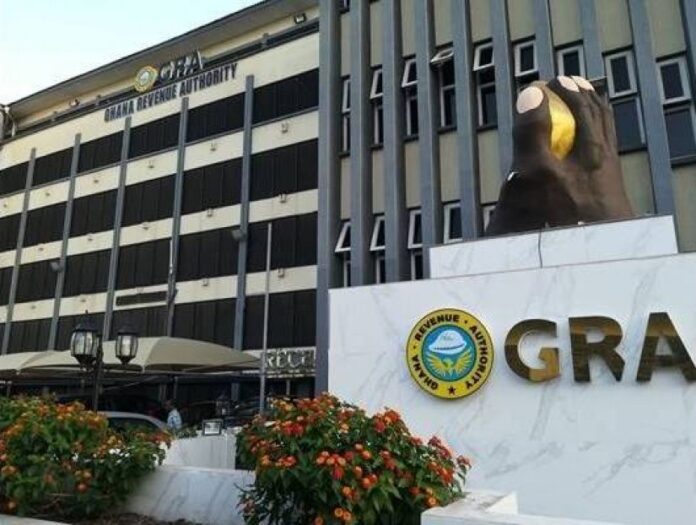

The top leadership of the Ghana Revenue Authority (GRA) has committed to a sweeping institutional transformation aimed at enhancing compliance, integrity, and performance to meet a monumental domestic revenue target of GH¢230 billion for the 2026 fiscal year.
The pledge was made during the 2026 GRA Top Management Retreat held at The Groove, Esipong Beach Resort. The retreat, themed “Transforming for Impact and Growth: Focusing on People, Performance, and Compliance,” brought together the Authority’s top brass to realign strategies with national development priorities.
Addressing participants, the Commissioner-General of the GRA, Mr. Anthony Kwaku Sarpong, described the retreat as a defining moment for the Authority. He noted that the 2026 revenue target is ambitious but essential for financing the nation’s economic reset and ensuring fiscal sustainability.
Also read: Window of opportunity: Non-interest banking redefining Ghana’s financial strategy in the boardroom
“The GH¢230 billion target demands disciplined execution, smarter use of data, stronger collaboration across divisions, and a relentless focus on results,” Mr. Sarpong stated.
He emphasised that achieving these goals requires a fundamental shift from “business as usual” towards a culture of accountability and professionalism.
Focus on compliance and technology
Central to the 2026 strategy is the designation of the year as the “Year of Compliance.” The Authority plans to leverage technological tools such as data analytics and electronic fiscal devices for Value Added Tax (VAT) collection to plug revenue leakages and improve monitoring.
The Board Chairman, Mr. Ricketts-Hagan, reinforced that while technology is vital, the human element remains the bedrock of the GRA’s operations.
“Systems and processes are enablers, but it is the integrity, professionalism, and motivation of staff that ultimately determine outcomes,” he remarked.
Stakeholder praise and fiscal stability
The GRA’s proactive measures have already earned praise from economic analysts and international partners. Its efforts to sustain fiscal stability through enhanced audit coverage and the operationalisation of the Independent Tax Appeals Board have been cited as key drivers in restoring investor confidence and stabilising the macroeconomic environment.
Experts at recent post-budget forums, including representatives from PwC and the Centre for Policy Scrutiny (CPS), commended the Authority for balancing enforcement with taxpayer education.
The introduction of reforms such as increasing the VAT registration threshold to GH¢750,000 is expected to simplify the tax system and encourage voluntary compliance among Small and Medium Enterprises (SMEs).
Looking ahead
The retreat, which concluded on February 8, 2026, resulted in actionable commitments to close existing tax gaps and improve service delivery. As the GRA advances its six pillars of transformation, including innovation, stakeholder trust, and operational excellence, the focus remains on building a fair, transparent, and efficient tax administration that supports Ghana’s long-term growth.
With the 2026 “Year of Compliance” now in full swing, the GRA has sent a clear message to businesses and citizens alike: voluntary compliance is the most effective way to build a resilient and prosperous Ghana.
By Adnan Adams Mohammed