

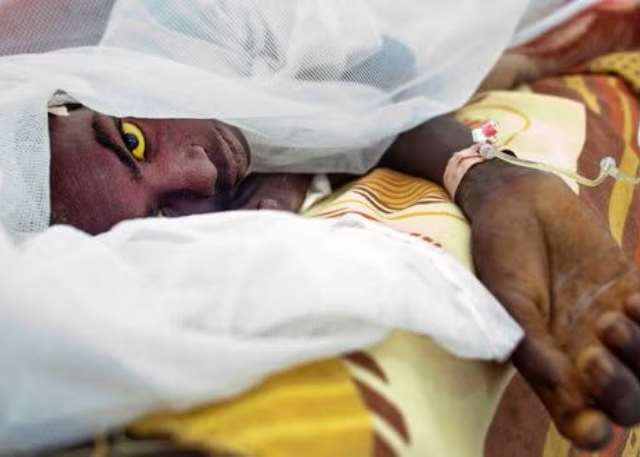

The Ministry of Health has declared a yellow fever outbreak in affected districts of the Upper West Region after laboratory investigations confirmed three cases, all of which resulted in deaths.
The declaration follows investigations into suspected cases reported at health facilities in Sissala West and Sissala East from September 9, 2026.
According to the Ministry, the Ghana Health Service (GHS), in collaboration with the World Health Organisation (WHO), initially conducted laboratory tests locally before further investigations confirmed the cases at the WHO-accredited Institut Pasteur in Dakar, Senegal.
Also read: Front Pages: Top newspaper headlines for Saturday, 10th October 2026
All three patients died despite efforts by health workers to manage their conditions, raising concerns about the public health situation in the affected communities.
“In line with the International Health Regulations (2005) and the National Public Health Act, 2012 (Act 851), the Minister for Health hereby declares a Yellow Fever outbreak in the affected districts in the Upper West Region,” the Ministry said in a statement.
Following the declaration, the government has activated national and regional public health emergency operations centres to coordinate efforts to contain the yellow fever outbreak.
Rapid response teams have also been deployed to affected communities to strengthen disease surveillance, identify possible cases and intensify public education on prevention.
The Ministry said preparations are underway for a targeted emergency vaccination campaign in Wa West, Sissala West and Sissala East districts during October 2026.
Additional measures include intensified surveillance, improved case management at designated health facilities, and increased public education on preventing mosquito bites.
The interventions are intended to reduce the risk of further infections and strengthen the response in communities considered vulnerable to the disease.
Yellow fever is a viral disease transmitted through the bites of infected mosquitoes, which are generally active during the day.
Symptoms may include sudden fever, headache, muscle pain, jaundice and unusual bleeding. Severe cases can lead to death.
The Ministry has urged anyone experiencing symptoms consistent with yellow fever to report immediately to the nearest health facility for medical assessment and appropriate care.
It has also advised residents to eliminate stagnant water around their homes, use insecticide-treated mosquito nets and apply mosquito repellents to reduce exposure to mosquito bites.
The public has been cautioned against self-medication, with the Ministry stressing the importance of seeking professional medical attention when symptoms develop.
Residents have further been urged to rely on official updates from the Ministry of Health and the Ghana Health Service as emergency response operations continue.
The ongoing surveillance, vaccination preparations, and public education efforts form part of measures to contain the outbreak and protect communities in the Upper West Region.