


The upcoming ordinary session of the ECOWAS Parliament in Abuja risks severe attendance crisis as lawmakers across West Africa grapple with conflicting domestic budget hearings and impending national election campaigns
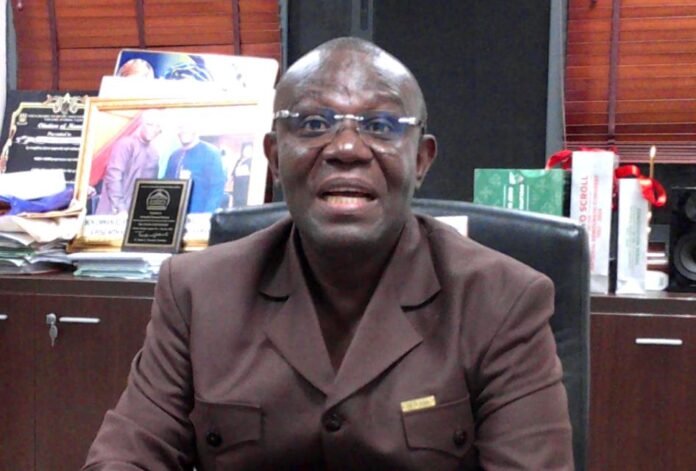
Member of Parliament for Ho West, Emmanuel Kwasi Bedzrah, who doubles as a member of the regional legislature, raised this alarm during an interview on Wednesday, stressing the growing strain caused by requiring national lawmakers to simultaneously serve in the sub-regional body.
Under current ECOWAS rules, members of the regional parliament are seconded from their respective national assemblies rather than elected directly.
Also read: CEMSE proposes review of fuel marking costs as Parliament considers NPA Bill
According to Mr Bedzrah, this dual mandate creates unavoidable scheduling clashes leading to a serious attendance crisis, particularly toward the end of the year when member states finalize their national budgets and prepare for electoral cycles.
He noted that the regional session scheduled in Abuja from late November through December 10 will suffer significantly from low turnout.
“You don’t expect our colleagues from Nigeria, both Senate and Congress, to be fully present when they have to go into the field and campaign in their various constituencies to be elected before they can become members of the ECOWAS Parliament,” Mr Bedzrah explained, pointing to Nigeria’s upcoming elections in January.
The Ho West legislator noted that Ghanaian lawmakers face a similar dilemma due to ongoing national budget debates and committee hearings in Accra.
As a committee chairman, Mr Bedzrah stated that his primary duty is to present ministerial estimates and participate in domestic budget debates rather than remain in Abuja for extended periods.
“I cannot abandon this and go to Abuja,” he said, adding that many lawmakers are forced to make brief appearances merely to sign the attendance register before rushing back to their home countries.
To permanently resolve this conflict of interest, Mr Bedzrah renewed calls for structural reforms to transform the ECOWAS Parliament into an independent, directly elected legislature.
He revealed that following a recent extraordinary session in Ghana, a dedicated committee has been tasked with drafting modalities to transition the body toward direct election by universal adult suffrage.
Mr Bedzrah expressed hope that the ECOWAS Commission and regional Heads of State will adopt the committee’s eventual recommendations, arguing that a directly elected parliament is essential for effective regional oversight and uninterrupted legislative work.