

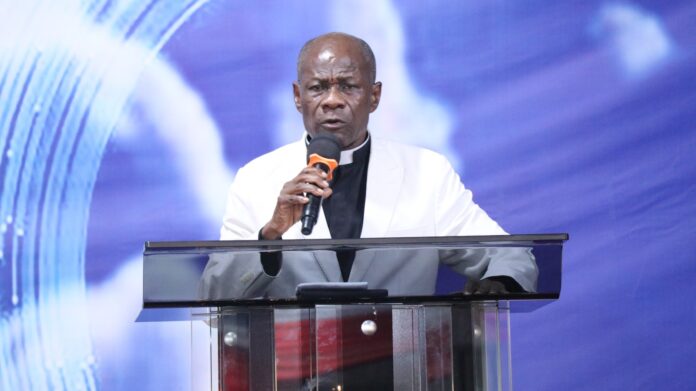

Two senior clerics of The Apostolic Church–Ghana have used their New Year messages to deliver a strong moral and civic appeal, linking Ghana’s national restoration directly to integrity, unity and responsible leadership at all levels of society.
Former Chairman of The Apostolic Church–Ghana, Apostle Peter Okoe Mankralo, in a New Year message themed “Manifest God’s Glory,” stressed that national development cannot be separated from personal and communal uprightness.
Moving beyond doctrinal preaching, Apostle Mankralo addressed governance, social cohesion and national values, insisting that love and unity are indispensable foundations for sustainable progress. He warned that political bitterness, partisan hostility and social fragmentation continue to undermine Ghana’s growth prospects.
Also read: GSE records best performance in over two decades with 79.4% gain in 2025
In a targeted appeal, he called on Ghanaians in the diaspora to return home and contribute their skills and expertise to national development. He also cautioned the youth against destructive shortcuts such as fraud, urging discipline, patience and hard work instead.
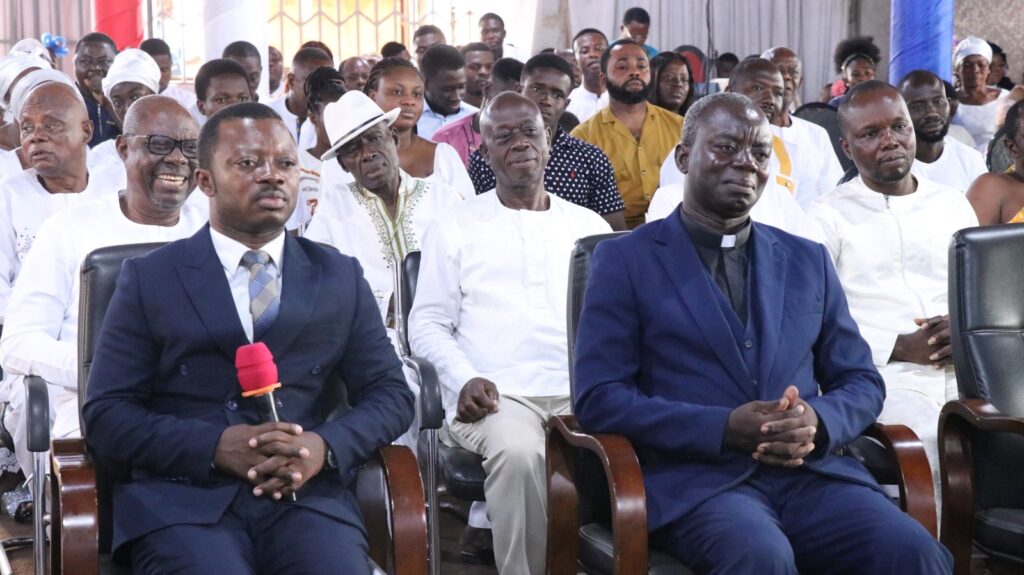
Apostle Mankralo further condemned corruption and environmental destruction, singling out illegal mining, popularly known as galamsey, as a practice that reverses national gains and threatens future generations.
Adding his voice to the national discourse, Apostle Dr Samuel Obeng Manteaw of the Calvary District of The Apostolic Church–Ghana, Madina Area, issued a call for unified and purpose-driven leadership across the country.
He challenged all three arms of government—the Executive, Parliament and the Judiciary—to rise above division and align around a shared national vision focused on the common good. According to him, unity must translate into deliberate action aimed at dismantling practices that corrode the nation’s foundations.
Dr Manteaw identified corruption, thievery and backbiting as destructive forces that must be confronted if Ghana is to create an environment conducive to growth and development. He stressed that national prosperity is inseparable from collective ethical conduct.
Expanding on the theme of responsibility, the apostle called for a deep attitudinal shift across Ghanaian society, particularly within workplaces. He urged citizens to abandon habits and mindsets that impede progress and to make a personal commitment to actions that advance national development.
Grounding his message in spiritual principle, Dr Manteaw said the destiny of the nation is closely tied to the moral choices of its people. He expressed confidence that when citizens act justly and treat one another with goodwill, the nation positions itself for divine favour.
Delivering the message during a Sunday church service, he reminded Ghanaians that the New Year offers an opportunity to realign with God’s purpose for the nation. He cited scriptural assurances of God’s desire for the country to flourish and experience His goodness.
To access this promise, he urged diligence and excellence in all fields of work, whether in government, ministry or private enterprise.
“Let us, with confidence in God’s word, do what we have to do diligently in our respective endeavours and do all to the glory of God,” he advised.
Dr Manteaw emphasised that the responsibility for national renewal extends beyond leadership to every citizen. He warned against excessive bickering and toxic partisanship, which dissipate national energy and weaken collective resolve.
His message, he said, envisions a reconciled and united Ghana, where leadership and citizenry work together in integrity, discipline and patriotism to secure sustainable growth and shared prosperity.