

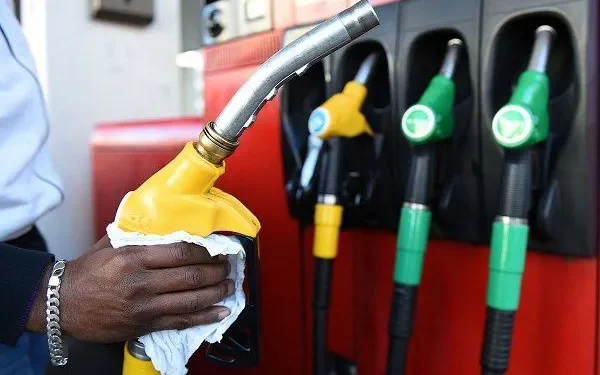

Fuel prices are set to increase sharply from April 1, 2026, with petrol, diesel, and LPG all expected to record significant hikes at the pumps, according to projections by the Chamber of Oil Marketing Companies.
A litre of petrol is projected to rise by 8.06% to about GH¢15.19, while diesel is expected to jump by 9.76% to approximately GH¢17.85 per litre. Liquefied Petroleum Gas (LPG) is also forecast to increase marginally to around GH¢16.59 per litre.
This marks the fifth projected fuel price increase since January 2026 and the second major hike this year.
Also read: Gov’t targets GH¢15.2bn domestic borrowing to support 2026 Budget
The latest increases are largely driven by developments on the international market, where crude oil prices surged from $86.55 to $109.66 per barrel amid rising geopolitical tensions in the Middle East and supply risks along key shipping routes such as the Strait of Hormuz.
Prices of refined petroleum products have also risen sharply, with LPG recording the highest increase at 36.90%, followed by diesel at 27.84% and petrol at 24.48%.
Compounding the situation, the Ghana cedi weakened slightly against major currencies. For the April pricing window, the exchange rate moved from GH¢10.913 to GH¢11.050 to the US dollar, representing a 1.24% depreciation.
Analysts attribute the pressure on the cedi to increased demand for foreign exchange by importers, high liquidity levels, and rising global oil prices.
Meanwhile, the National Petroleum Authority has revised its minimum price floors under the Petroleum Products Pricing Guidelines.
Petrol’s price floor has increased from GH¢11.57 to GH¢13.30 per litre, while diesel recorded the sharpest adjustment, rising from GH¢14.35 to GH¢17.10 per litre within two weeks. LPG has also been adjusted slightly upward to GH¢10.71 per kilogramme.
The Authority has directed oil marketing companies to comply with the new pricing framework, noting that the stated prices exclude additional premiums from international oil traders and margins set by bulk distributors and retailers.
The projected hikes are expected to exert further pressure on consumers and businesses, with likely ripple effects across transportation, food prices, and the general cost of living.
Transport operators are also expected to push for fare increases in response to the rising fuel costs.