

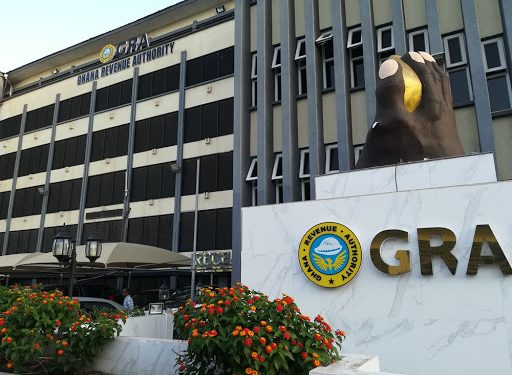

Ghana is set to roll out a cutting-edge artificial intelligence (AI) customs inspection system from February 1, aimed at blocking over US$127 billion in annual revenue leakages and significantly modernising customs operations nationwide.
The new AI-driven technology will be deployed across the country to interface with and enhance the existing Integrated Customs Management System (ICUMS), dramatically reducing import processing times from about two hours to as little as five minutes.
Parliament last year approved the Publican Digital Inspection Solution Agreement between the Ghana Revenue Authority (GRA) and Truedare Investment Limited to strengthen customs management, boost revenue mobilisation and improve compliance.
Also read: Controversy inside the uniBank decision: Ayine explains why criminal law fell short
Speaking at a media engagement during a three-day stakeholders meeting, Mr Thomas Ampem Nyarko said the system would directly tackle persistent challenges within the customs regime, including undervaluation, misclassification of goods and the use of falsified invoices.
He revealed that between 2020 and 2025, Ghana recorded imports valued at approximately US$127 billion, yet only US$52 billion was declared, a gap he described as alarming and underscoring the urgent need for advanced digital inspection.
“This discrepancy highlights why we must move beyond traditional systems. Advanced digital inspection is no longer optional,” Mr Nyarko stated.
He disclosed that a pilot exercise conducted in November 2025, involving the AI technology, which is already operational in over 20 countries, detected anomalies in 18 out of 43 test transactions and led to the recovery of GH¢15 million in additional revenue from five companies.
According to him, the system supports customs decision-making by identifying suspicious patterns, flagging anomalies, and organising real-time operational intelligence drawn from thousands of reliable global and local data sources.
Mr Nyarko assured importers and freight forwarders that the introduction of the AI tool would not result in additional costs, but would instead ensure faster, more efficient clearance of goods.
“All those doing clean business have no cause for worry. Those who should be concerned are those who deliberately falsify trade data to cheat the state,” he emphasised.
He reiterated that the initiative was not designed to create trade barriers, but to build a fair, predictable, and technology-driven customs environment that promotes compliance and efficiency.
Commissioner-General of the GRA, Mr Anthony Sarpong, said the AI system would complement, not replace, the ICUMS platform, which has served as the backbone of customs processing for over five years.
He noted that the technology would significantly reduce clearance times and improve duty assessment accuracy, cutting processing duration from two hours to five minutes.
Mr Sarpong explained that the system would strengthen customs revenue by an estimated 40 per cent while enhancing national security through real-time identification of high-risk cargoes.
Citing recent incidents of smuggling and concealment of contraband, including tramadol hidden in shipping containers, he said the AI tool would empower customs officers to detect such risks instantly.
“The incorporation of this digital inspection tool will ensure near 100 per cent assessment coverage of goods entering the country and place all importers on a level playing field,” he said.
He added that the system would reduce excessive human discretion, ensure accurate duty determination, and strengthen risk profiling, responding to stakeholder demands for speed, efficiency, and transparency in customs processes.