

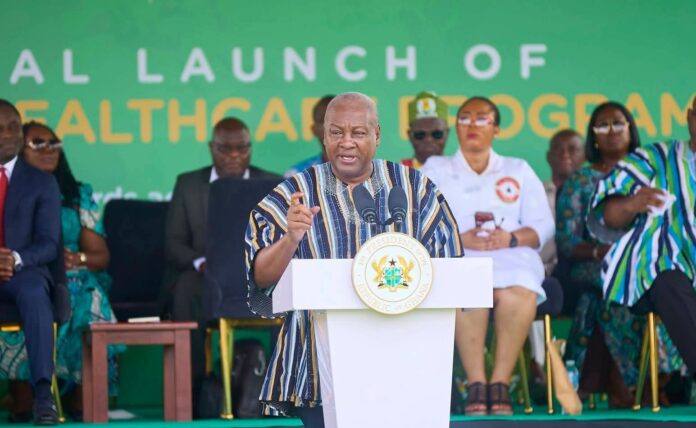

The World Health Organization (WHO) has thrown its full support behind President John Dramani Mahama’s newly launched Free Primary Health Care initiative, describing it as a transformative step in Ghana’s journey toward Universal Health Coverage.
The endorsement, coming at the early stages of the policy’s rollout, is seen as a significant boost for the administration’s flagship social intervention.
In a statement shared on X on Thursday, WHO Director-General Tedros Adhanom Ghebreyesus praised the initiative, expressing optimism about its potential to reshape healthcare delivery in the country.
Also read: AG to assume control of OSP cases following High Court ruling
“This important milestone brings Ghana closer to achieving Universal Health Coverage,” Dr. Tedros stated, adding that strong primary healthcare systems are critical for improving population health through early detection, timely treatment, and effective disease prevention.
The Free Primary Health Care initiative signals a strategic shift from Ghana’s traditional hospital-focused healthcare model to a preventive, community-based approach. By removing financial barriers at the point of service, the policy aims to ensure equitable access to essential healthcare for all citizens.
As part of its initial rollout, the programme will target 150 underserved districts within the next two months. The move is expected to address long-standing disparities in access to healthcare, particularly in rural and deprived communities.
The policy also expands the scope of primary healthcare services. It includes routine screening for non-communicable diseases such as hypertension, diabetes, obesity, and cancers, while strengthening maternal and child health services through antenatal care, postnatal care, and immunisation programmes.
In addition, the initiative provides treatment for common diseases, including malaria, diarrhoeal infections, and acute respiratory conditions—an intervention expected to ease pressure on referral hospitals nationwide.
A key component of the programme is health education. Community health workers will be deployed to educate citizens on family planning, menstrual hygiene, and safe water practices, promoting long-term behavioural change.
Authorities believe the initiative will not only improve healthcare access but also foster a healthier and more informed population.