

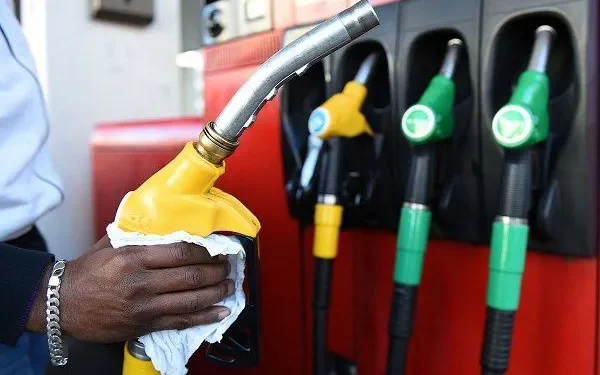

Consumers in Ghana could soon experience a highly anticipated reprieve at the pumps as global oil prices plummeted on Monday.
The sharp decline follows a breakthrough in geopolitical tensions, highlighted by a freshly brokered peace agreement between the United States and Iran.
The diplomatic breakthrough, mediated by Pakistan, features a crucial agreement to fully reopen the strategic Strait of Hormuz. As a vital global chokepoint, the waterway facilitates the transit of roughly 20% of the world’s petroleum and liquefied natural gas.
The resolution was heavily reinforced by former U.S. President Donald Trump, who took to social media to confirm that the deal would allow “the oil flow” to resume seamlessly through the vital passage.
Also read: James Victor Gbeho: Former Foreign Affairs minister dies at 91
International energy markets reacted swiftly to the announcement during Asian trading hours:
Brent Crude: The international benchmark dropped sharply by roughly 4.8%, settling at $83.18 per barrel.
U.S. West Texas Intermediate (WTI): Fell by 5.6%, sliding down to $80.13 per barrel.
Global Stocks: Financial markets rallied globally on the easing of conflict risks, with Japan’s Nikkei 225 spiking 5.4% and South Korea’s Kospi advancing over 5.5%.
Pakistan’s Prime Minister Shehbaz Sharif confirmed that a formal signing ceremony is scheduled for Friday, June 19, in Switzerland. Iran’s Deputy Foreign Minister Kazem Gharibabadi similarly verified on state television that the terms of the agreement with Washington had been finalized.
For Ghana – a nation highly dependent on imported refined petroleum products – the international price dip directly impacts domestic import expenses. If sustained, the downward trajectory is expected to compel local Oil Marketing Companies (OMCs) to slash fuel prices during the upcoming pricing window.
While the news offers immediate optimism, market experts urge caution. Energy analyst Vandana Hari of Vanda Insights warned that short-term volatility could persist due to a lack of granular details surrounding the implementation of the pact.
Furthermore, industry consultant Andrew Lipow noted that physically clearing shipping backlogs and potential naval hazards in the Strait of Hormuz could still take weeks.
Nevertheless, after months of extreme volatility where Brent crude reached heights of $120 per barrel, the current price relief offers a glimmer of economic stability for Ghanaian motorists navigating elevated living costs.