

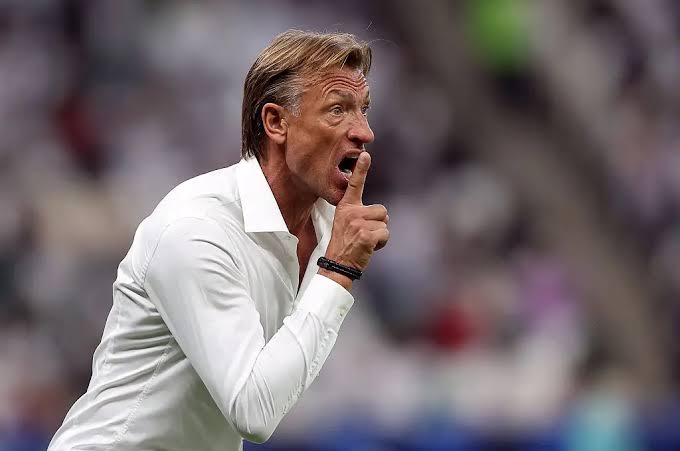

Tunisia has turned to the ultimate tournament firefighter, Hervé Renard, to salvage their 2026 FIFA World Cup campaign after a disastrous 5-1 opening defeat to Sweden sent shockwaves through the Eagles of Carthage camp and cost Sabri Lamouchi his job.
The Tunisian Football Association confirmed on Monday, June 16, that the 57-year-old French tactician will take immediate charge of the North African side, with his first assignment a make-or-break Group F clash against Japan on June 20 in Monterrey.
The decision was swift and brutal. Lamouchi was shown the door just hours after his side were torn apart by Sweden in a performance that exposed deep defensive fragilities and left Tunisia rooted to the bottom of their group.
Also read: Ken Ofori-Atta granted US residency, extradition dreams shattered
With the knockout stages already fading from view after just one match, the federation acted decisively, turning to a coach with a proven pedigree in rescuing teams from the brink of disaster.
The Frenchman is no stranger to the African football landscape. He remains the only coach to have won the TotalEnergies CAF Africa Cup of Nations with two different nations – guiding Zambia to an extraordinary triumph in 2012 before leading Cote d’Ivoire to continental glory three years later.
Hervé Renard’s resume also includes spells with Morocco and Saudi Arabia, giving him an intimate understanding of the unique challenges facing African teams on the global stage.
Renard’s most recent World Cup experience came with Saudi Arabia at Qatar 2022, where his side produced arguably the greatest shock in tournament history by defeating eventual champions Argentina in their opening match.
That result alone demonstrates his capacity to inspire players to perform beyond their perceived limitations – precisely the quality Tunisia desperately needs after their defensive collapse against Sweden.
Renard’s initial appointment runs only until the end of the current World Cup, but reports suggest discussions are already underway regarding a potential extension should both parties wish to continue beyond the tournament.
However, the immediate focus is clear: stop the bleeding, restore defensive organisation, and find a positive result against Japan to keep knockout qualification alive.
The French coach inherits a talented but fragile squad that appeared mentally and tactically broken during the Sweden defeat. Restoring confidence, defensive structure, and belief will be his priorities.
With limited training time before the Japan clash, Renard will rely heavily on his renowned man-management skills and tactical clarity to engineer an immediate turnaround.
Few coaches in world football possess a stronger record of navigating pressure-filled situations. Tunisia is placing its faith in a man whose career has been built on defying expectations and achieving the improbable.
The Eagles of Carthage must now face Japan on June 20 before concluding their group campaign against the Netherlands on June 24. Anything less than a positive result against Japan could spell the end of their World Cup aspirations.
The appointment mirrors the approach taken by several African nations in previous tournaments, where experienced coaches brought in mid-tournament have steadied the ship and produced unlikely results.
Hervé Renard’s knowledge of African football, his ability to motivate players under intense pressure, and his history of defying the odds suggest that Tunisia cannot be written off just yet. The Japan clash will be defining.