


Ghana has recorded its highest monthly rainfall since meteorological records began, with the devastating downpours triggering deadly floods that have claimed at least 12 lives, displaced 38,802 people, and left seven others missing.
593.2 millimetres of rainfall was recorded in June – the highest monthly total ever documented in Ghana.
The unprecedented rainfall exceeded the previous June record of 420.6 millimetres recorded in 2002, while 380.3 millimetres was recorded in 2015.
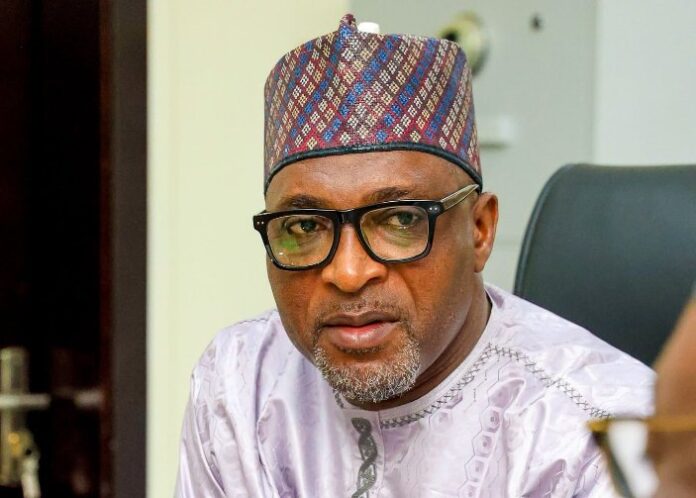
Interior Minister Alhaji Muntaka Mohammed Mubarak, who disclosed this in a statement to Parliament on Wednesday, described the floods as one of the country’s worst natural disasters in recent history.
Also read: Mahama unlocks GH¢300 million to support emergency flood relief and mitigation efforts
The Minister further disclosed that 169.2 millimetres of rainfall fell within a single day, making it the fourth-highest daily rainfall event recorded in Ghana since 1995.
He explained that although the Ghana Meteorological Agency (GMet) had warned of above-normal rainfall for June and July, the intensity of Monday’s downpour far exceeded expectations, overwhelming drainage systems and triggering widespread flooding across Greater Accra and several other regions.
According to figures presented to Parliament, 7,761 households, representing 38,802 people, have been displaced after floodwaters submerged homes, businesses and major roads.
The disaster affected 25 communities across 18 metropolitan, municipal and district assemblies, including Ga East, Ga West, Ga South, Ablekuma North, Adenta, Weija Gbawe, Tema Metropolitan and Tema West.
He confirmed that seven people remain missing, while search and rescue operations continue.
The Interior Minister said the flooding was not confined to Greater Accra. In the Central Region, 58 houses collapsed, resulting in 18 additional deaths from building collapses and drowning over the past two weeks.
The Volta Region also recorded flooding in more than 60 communities, while over 1,200 residents were displaced in Samreboi and surrounding communities in the Western North Region.
In response to the disaster, President John Dramani Mahama has approved a GH¢350 million emergency intervention package.
The package includes GH¢200 million for immediate relief assistance to affected households and GH¢150 million for flood mitigation projects aimed at reducing future flood risks.
The President has also directed the deployment of the Ghana Armed Forces, Ghana Police Service and the National Disaster Management Organisation (NADMO) to strengthen ongoing rescue and relief operations.
While describing the rainfall as unprecedented, the Interior Minister said poor sanitation, indiscriminate dumping of refuse into drains and illegal construction on waterways significantly worsened the flooding.
He, however, noted that the extraordinary volume of rainfall would still have caused substantial flooding even under improved drainage conditions.
The Minister urged Ghanaians to view the disaster as a shared national challenge rather than a political issue, stressing that preventing future floods will require stronger collaboration between government institutions, local authorities and citizens.
He assured Parliament that the National Disaster Management Committee has been activated to coordinate emergency interventions while long-term flood control measures are accelerated.