

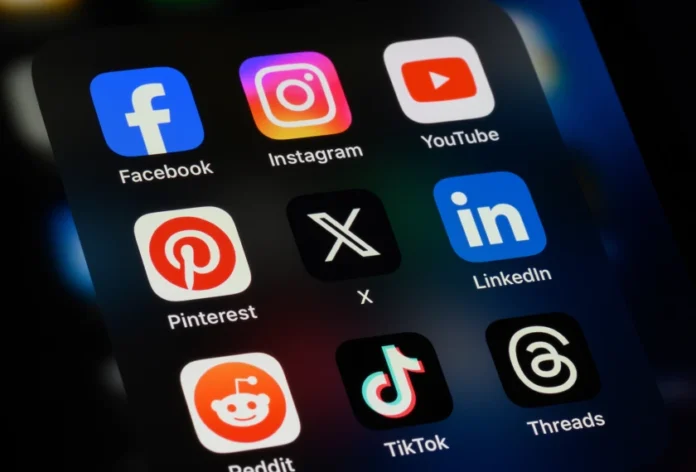

Social media has become part of everyday life in Ghana. Millions of people use platforms like Facebook, WhatsApp, TikTok, Instagram, X (formerly Twitter), and YouTube to get news, share opinions, and communicate with family and friends. News now travels faster than ever before. A video or message can reach thousands of people within minutes.
While social media has made it easier to access information, it has also made it easier for false information to spread.
Many people share messages without checking if they are true. This has led to the rise of misinformation in Ghana, affecting politics, health, business, education, and public safety.
Also read: Three men sentenced to life in jail over Nigeria school kidnappings
Sometimes people spread it because they believe it is true. Other times, people share it just to get attention, likes, comments, or followers.
For example, a fake message may claim that a bank has collapsed, a celebrity has died, or a certain medicine can cure a disease. Many people quickly forward these messages before confirming the facts.
One major reason is the speed of social media. A single post can be shared thousands of times in a few hours.
Another reason is that many people trust information that comes from friends or family members. When someone receives a message on WhatsApp from a relative, they often believe it without asking where it came from.
Some people also create fake stories just to gain attention online. Sensational headlines attract more clicks and shares than ordinary news. This encourages people to continue creating misleading content.
Reducing misinformation requires the efforts of everyone.
Schools can teach students how to identify fake news. Media organisations should continue educating the public about fact-checking.
Social media companies should quickly remove false content that violates their rules. Government institutions should also provide timely and accurate information so that rumours do not fill the information gap.
Most importantly, individuals should develop the habit of verifying information before forwarding it to others.
By Frederick Ayisi-Acquah
University of Media, Arts and Communication
Level 300
frederickayisiacquah10@gmail.com