

The Narcotics Control Commission (NACOC) has revealed that more than 6,000 applicants who failed mandatory drug screening for recruitment into Ghana’s security services tested positive for five major illicit drugs, including cocaine, heroin, and methamphetamine.
According to the Commission, the applicants who failed the mandatory drug screening were not found to have used only one substance but tested positive for a range of illicit drugs.
Deputy Director-General of NACOC, Alexander Twum-Barimah, disclosed the details during an interview on Joy FM’s Super Morning Show on Thursday, July 30, 2026, as he discussed Ghana’s growing drug challenge.
Also read: Full judgement: Why Sedina Tamakloe-Attionu was acquitted and discharged
“They didn’t just fail one common drug. They failed five main ones,” Mr Twum-Barimah said.
Illicit drugs
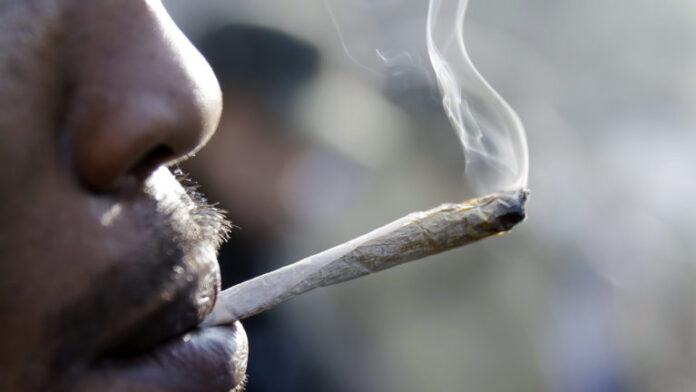
Mr Twum-Barimah identified the five main substances detected during the security service recruitment drug screening .“One, cocaine; two, heroin; three, cannabis; four, opioids; and meth. These were the five main ones,” he stated.
The disclosure provides new details about the substances detected during the mandatory screening exercise, which was introduced as part of efforts to ensure that recruits entering Ghana’s security services are fit for duty.
Earlier this year, NACOC announced that more than 6,000 out of over 100,000 applicants screened for recruitment into the security services had failed mandatory drug tests.
However, the Commission had not previously disclosed the specific substances detected among those who failed the screening.
Speaking about the origin of the substances, Mr Twum-Barimah said cocaine and heroin are not produced in Ghana, although the drugs somehow find their way into the country.
“Cocaine is not made in Ghana. Heroin is not made in Ghana. Cannabis, I mean that one is Ghana’s own,” he said.
On methamphetamine, the NACOC Deputy Director-General said there was currently no confirmed evidence that the substance was being produced locally.
He explained, however, that investigations have linked Ghana to international drug trafficking operations.
“I’m not sure we cook meth in Ghana. We’ve not gotten to the case where we can say there is evidence that we found this here,” he said.
Mr Twum-Barimah referred to the Australian case involving drug trafficking, saying investigations had helped authorities establish where some of the illicit substances were loaded.
“But at least we have a case, the Australian one, where we’ve gotten to know where the loads or the items were loaded,” he added.
Drug screening
The revelation that more than 6,000 security service applicants failed mandatory drug screening has renewed attention on drug use among young people and the growing challenge of illicit drug abuse in Ghana.
The NACOC disclosure also highlights the importance of drug screening as part of recruitment processes for institutions responsible for national security and public safety.
The Commission’s latest revelation is expected to fuel further discussions about drug prevention, public education, rehabilitation, and stronger measures to combat illicit drug trafficking in Ghana.