


The National Health Insurance Authority (NHIA) has released GH¢35,099,215.84 to 107 districts implementing Ghana’s Free Primary Healthcare (FPHC) programme as payment for the first quarter of the initiative.
The funding is expected to support the delivery of preventive and promotive healthcare services at the community level and strengthen access to basic healthcare, particularly in underserved communities.
President John Dramani Mahama launched the Free Primary Healthcare programme on April 15, 2026, at Dodowa, marking a major expansion of Ghana’s approach to community-level healthcare financing.
Also read: NPP unveils 2026 national executive elections timetable as Chairman nomination fee hits GH¢50,000
Unlike the National Health Insurance Scheme (NHIS), which reimburses healthcare providers based on services delivered to individual patients, the NHIA-funded FPHC operates under a population-based financing model.
Under the arrangement, participating districts receive funding based on the size of the population they serve.
The model is intended to provide districts with predictable, upfront resources to plan and deliver preventive healthcare services without relying solely on the processing of individual claims.
The FPHC operates primarily at the Community-based Health Planning and Services (CHPS) level and complements the NHIS.
While the FPHC focuses on prevention, early detection and primary healthcare, the NHIS continues to support treatment when patients require clinical or hospital-based care.
The FPHC programme provides a range of preventive, maternal and child healthcare services to residents in participating districts.
Services include routine screening for:
- Hypertension
- Diabetes
- Obesity
- Cancers
The programme also provides maternal and child health services, including antenatal care, postnatal care, immunisations and child growth monitoring.
Common illnesses such as malaria, cholera and respiratory infections are also treated under the programme.
In addition, health workers undertake community outreach activities, including home visits, school and workplace engagements, and public education campaigns.
The aim is to reach people who may otherwise not visit health facilities for routine health checks.
Free Primary Healthcare services are available at CHPS compounds, health posts, health centres and polyclinics in participating districts.
The programme places particular emphasis on communities and districts where access to healthcare remains limited.
However, while primary healthcare services under the FPHC are free, referrals to district, regional or teaching hospitals require patients to have a valid NHIS card.
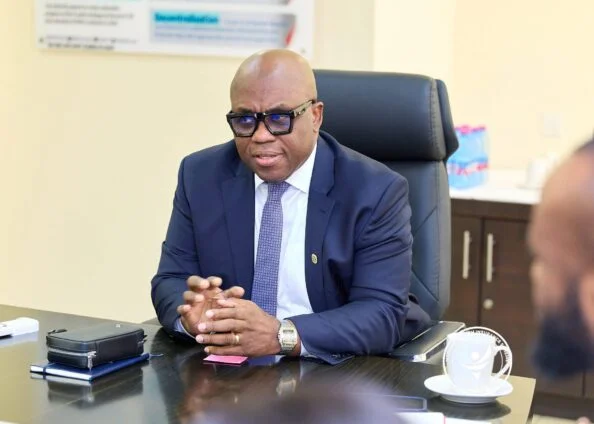
NHIA Chief Executive, Dr Victor Asare Bampoe, said the programme is designed to encourage Ghanaians to undergo regular health checks and adopt healthier lifestyles.
He urged residents in the participating districts to take advantage of the free services by having their vital signs checked regularly and following advice provided by healthcare professionals.
According to Dr Bampoe, detecting health conditions early can lead to better treatment outcomes and reduce the cost and complexity associated with treating advanced illnesses.
He stressed the importance of moving away from a healthcare system that focuses primarily on treating illnesses after they have developed to one that places greater emphasis on prevention and early intervention.
The NHIA has reaffirmed its commitment to the continued rollout and financing of the Free Primary Healthcare programme.
The Authority said sustained funding would be critical to expanding access to promotive and preventive healthcare services and ensuring that more communities benefit from the initiative.
With the release of first-quarter funding to the 107 participating districts, the programme is expected to strengthen community-level healthcare delivery and support Ghana’s broader goal of achieving Universal Health Coverage (UHC).