

Pressure is mounting on President John Dramani Mahama’s government over a series of major narcotics seizures linked to Ghana, with the Christian Council of Ghana and the opposition New Patriotic Party (NPP) demanding stronger action to protect the country from the growing threat of drug trafficking.
The concerns come amid a string of cocaine and other narcotics interceptions in Ghana and overseas involving consignments originating from or linked to the country.
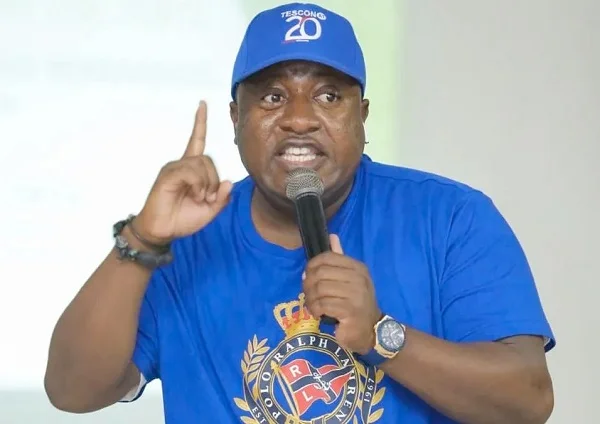
The latest political pressure followed a press conference by NPP National Organiser Henry Nana Boakye at the party’s headquarters in Accra, where he accused the government of failing to adequately respond to what the party described as a worsening cocaine crisis.
Also read: US$235m blow: How Teshie-Nungua desalination deal became a massive judgment debt
Mr Boakye called for the immediate recall of Parliament and the establishment of a bipartisan parliamentary committee to investigate the major drug seizures and examine whether weaknesses within Ghana’s security and border-control systems were being exploited by trafficking networks.
He also demanded accountability from officials responsible for ports, airports, customs, intelligence, narcotics control and national security.
The NPP’s position comes against the backdrop of the September 2026 seizure in France of nearly four tonnes of cocaine concealed in plastic waste inside a container originating from Ghana.
Ghanaian authorities subsequently arrested suspects in connection with the shipment, while investigations into the case continue.
Another major case involved the seizure at Tema Harbour in August of 866 parcels of a substance suspected to be cocaine, concealed in sacks of gari. Police said the substance was being prepared for export and arrested suspects in connection with the case.
Earlier, in March 2025, authorities intercepted 3,319.66 kilogrammes of cocaine at Pedu Junction in Cape Coast. The drug was concealed beneath heaps of sand in a tipper truck travelling from the Western Region towards Accra.
The NPP argues that the succession of seizures points to serious questions about the effectiveness of Ghana’s border-control and cargo-screening systems.
Mr Boakye said the NPP wanted Parliament recalled to establish a special bipartisan committee with powers to summon witnesses and demand the production of shipping, inspection and clearance records.
He said such an inquiry should examine the circumstances surrounding major narcotics seizures linked to Ghana and determine whether institutional failures or official misconduct contributed to the situation.
The party has also called for scrutiny of the leadership of key institutions, including the Ghana Ports and Harbours Authority, Ghana Maritime Authority, Narcotics Control Commission, National Security, National Intelligence Bureau, Ghana Airports Company Limited, Customs Division of the Ghana Revenue Authority and Ghana Police Service.
The NPP has further questioned the continued tenure of some officials responsible for institutions involved in Ghana’s maritime and border-security architecture.
However, the party’s allegations of official complicity remain allegations and would require evidence and independent investigation before responsibility can be established.
The issue has also raised concerns about Ghana’s international reputation.
The seizure in Australia of about 320 kilogrammes of methamphetamine concealed in charcoal containers shipped from Ghana was another case cited by the NPP.
Australian authorities charged suspects following the interception at Port Botany in Sydney, while Ghanaian authorities conducted investigations into the shipment.
In Europe, authorities have also intercepted major drug consignments connected to Ghana, intensifying scrutiny of the country’s export and shipping channels.
The NPP argues that the repeated interceptions demonstrate the need for a comprehensive review of Ghana’s anti-narcotics architecture.
The controversy places renewed focus on the effectiveness of Ghana’s efforts to prevent international drug trafficking while protecting legitimate trade.
The NPP is demanding answers on what measures were introduced after previous major seizures, whether investigations have resulted in completed prosecutions and whether intelligence-sharing arrangements with international law-enforcement agencies have been strengthened.
It is also calling for investigations to go beyond alleged couriers and identify the financiers and organisers behind the trafficking operations.
The pressure has also extended beyond partisan politics, with church leaders expressing concern over the impact of narcotics trafficking on Ghanaian society.
The Christian Council of Ghana has called for stronger measures to confront the drug menace and protect young people from the consequences of narcotics abuse and trafficking.
The concerns from religious leaders have added to calls for government agencies to strengthen enforcement, intelligence-sharing and public education while pursuing the organisers and financiers behind major drug operations.
The debate has increasingly shifted from individual arrests to questions about how large consignments of narcotics can move through Ghana’s ports, airports and other logistics channels.
For the government, the challenge now extends beyond individual drug seizures to demonstrating that Ghana’s ports, airports and borders have effective systems capable of detecting and disrupting sophisticated international trafficking networks.