


AngloGold Ashanti has earmarked about US$900 million for expansions at its existing mines. The investment is intended to add at least 400,000 ounces to yearly gold output by the decade’s end.
In its third-quarter operational and financial update released on Thursday, November 5, 2026, AngloGold Ashanti reported a 12 per cent rise in third-quarter earnings before interest, taxes, depreciation and amortisation (EBITDA) to US$1.57 billion, supported by stronger bullion prices.
The world’s fourth-largest gold producer by output mined 2.164 million ounces in the nine months to September 30, and maintained its full-year 2026 production guidance of between 2.8 million and 3.17 million ounces.
Also read: ‘We shall not be silenced’ – Minority threatens to release evidence in diplomatic passport scandal
Breakdown of the US$900 million expansion plan
Rather than building new greenfield mines from scratch, the company said its multi-year capital programme will expand processing and mining capacity at existing operations.
Using US$3,000 an ounce as its long-term gold price assumption, the company forecasts a real internal rate of return above 35 per cent. The expansion funding is spread across three mines:
- Geita (Tanzania): Between US$480 million and US$580 million to lift output to 600,000 ounces a year by 2030, up from 492,000 ounces in 2025.
- Cuiabá (Brazil): Between US$200 million and US$250 million to add 75,000 ounces a year to its 2025 production of 194,000 ounces.
- Siguiri (Guinea): About US$70 million to add 100,000 ounces a year to the mine, which produced 289,000 ounces in 2025.
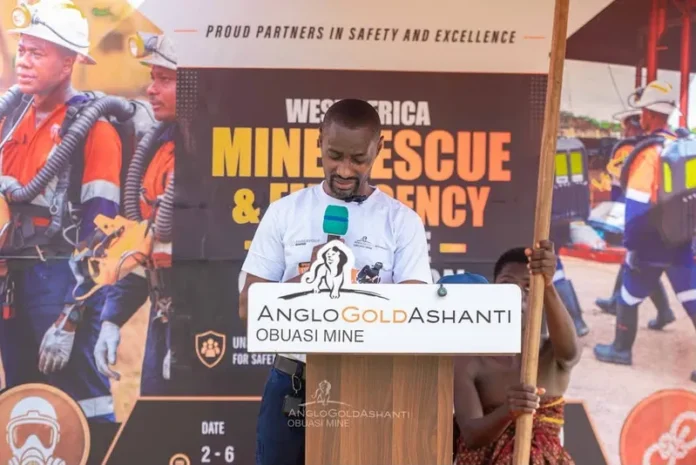
In Ghana, where the company operates the underground Obuasi Mine in the Ashanti Region and the open-pit Iduapriem Mine near Tarkwa in the Western Region, AngloGold Ashanti said the ongoing underground ramp-up at Obuasi will work alongside the Geita, Siguiri and Cuiabá expansions to drive output growth through 2030.
The company stated that pairing the Obuasi ramp-up with the three brownfield expansions will use existing surface and underground infrastructure to maximise capital returns.