

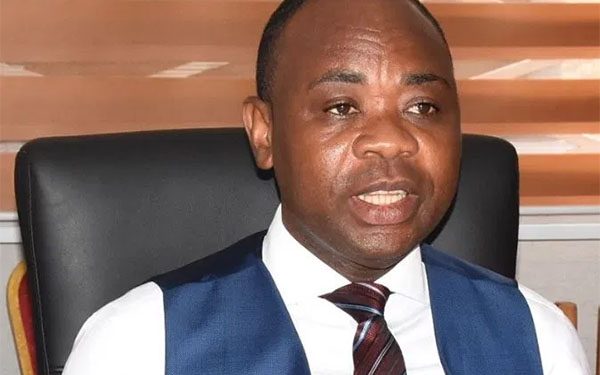

Child Rights International (CRI) has challenged the Ghana Education Service (GES) over its handling of sexual abuse allegations in schools, demanding urgent reforms to strengthen child protection and ensure safe learning environments for pupils and students.
The organisation said recurring reports of sexual abuse and misconduct in basic and senior high schools raise serious questions about the effectiveness of reporting mechanisms and the accountability of education authorities.
In a press statement issued on Tuesday, October 20, by Bright Appiah, CRI expressed concern that meaningful action on abuse allegations often appeared to follow only after viral videos or media investigations brought the cases into the public domain.
Also read: Morocco’s first female prime minister caught between the king, clerics, and feminists
The organisation questioned whether GES could be trusted to protect children, citing concerns about their safety, dignity, privacy and well-being.
“In view of the above, we do not think the Ghana Education Service (GES) can be trusted with the lives of our children in relation to child protection and making the environment conducive for the enjoyment of rights to protection, dignity, and privacy of children,” the statement said.
CRI’s compilation identified 10 reported cases of sexual abuse and misconduct in schools between 2018 and 2026, involving teachers, housemasters, an assistant headmaster and school watchmen.
The cases included incidents at Ejisuman Senior High School, St. Louis Senior High School, Kumasi Girls’ Senior High School and Benkum Senior High School in 2018.
The organisation also cited a 2023 case involving a teacher at Lume Ahugakope MA Basic School in the Volta Region, who was convicted of defiling a 13-year-old pupil and sentenced to seven years’ imprisonment.
More recent cases included reported incidents at KNUST Senior High School, Bole Senior High School and Bolgatanga Girls Senior High School.
CRI further listed allegations of sexual abuse involving 16 students at Obuasi Senior High Technical School.
To address the concerns, Bright Appiah proposed transforming the GES counseling unit into an independent school counseling and child protection oversight authority with greater powers to supervise safeguarding in schools.
He said an independent mechanism would improve complaint handling, strengthen impartiality and reduce the risk of institutional interference.
He also called for social welfare officers to be assigned to basic and secondary schools to provide professional support in safeguarding, case management, referrals and follow-up.
CRI urged GES to strengthen its administrative procedures to ensure that complaints involving children are handled fairly, transparently and promptly.
It stressed that allegations involving possible criminal conduct should not be treated solely as internal disciplinary matters, urging the referral of appropriate cases to law enforcement and relevant child protection authorities.
Bright Appiah also called for a comprehensive review of the GES Code of Conduct to prioritise children’s safety, dignity and rights.
CRI also expressed concerns about increased government spending on education, citing figures attributed to Africa Education Watch, in which the organisation said the education budget rose from GH¢20.39 billion in 2022 to GH¢42.16 billion in 2025.
Direct allocations to basic education increased from GH¢4.16 billion to GH¢9.12 billion over the same period, while second-cycle education allocations rose from GH¢4.24 billion to GH¢11.88 billion.
CRI argued that public investment must translate into effective protection for children, not merely improvements in infrastructure and academic provision.
“The true measure of our education system is not only how many children it educates, but also how effectively it protects them,” the statement said.
Bright Appiah called for a renewed national commitment to ensuring that every allegation receives an appropriate response, adding: “Every child has the right to learn without fear.”