

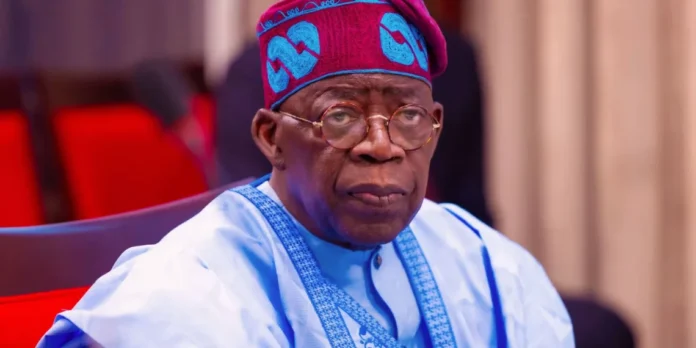

President Tinubu has named Taiwo Oyedele, a former head of the administration’s tax reform committee, as Finance Minister Wale Edun’s successor in one of the most significant changes to his economic team since taking office in 2023.
The timing of the reshuffle throws fresh light on Nigeria’s current economic standing, coming immediately after global policymakers and lenders assessed conditions in emerging markets.
At the Washington meetings, the International Monetary Fund signalled that Nigeria had made progress through difficult reforms, while warning that debt sustainability and repayment capacity remain critical for countries facing tighter financial conditions.
Also read: Iran says Strait of Hormuz cannot be opened due to ceasefire breaches
Abebe Aemro Selassie, director of the IMF’s African Department, said the debate should not centre on whether borrowing is domestic or external, but on whether debt levels are manageable relative to a country’s ability to service them.
For Nigeria, the numbers are becoming harder to ignore.
The country’s total public debt rose to N159.28 trillion ($110.97 billion) as of December 31, 2025, according to Debt Management Office figures referenced during the IMF meetings. Domestic debt climbed to N84.85 trillion ($59.11 billion), while external debt stood at N74.43 trillion ($51.86 billion), accounting for nearly 47% of the total.
Foreign debt remains especially sensitive because of pressure on scarce dollar liquidity. Nigeria spent $5.21 billion on external debt servicing in 2025, more than 72% of its total international payments, according to figures cited during the discussions.
The former minister urged multilateral lenders to reduce financing costs and widen access to liquidity for developing economies, arguing that high borrowing costs were worsening debt stress and limiting growth.
His removal only days later means those same challenges now pass to Oyedele.
The new minister inherits an economy reshaped by Tinubu’s market-oriented reforms. Since 2023, the administration has removed fuel subsidies, loosened foreign-exchange controls, and pursued higher non-oil revenues.
Those steps were widely welcomed by investors and institutions that had long argued Nigeria needed to repair distortions that drained public finances and discouraged capital inflows.
But for many Nigerians, the adjustment has been painful.
Petrol prices surged after subsidy removal. The naira weakened sharply after currency reforms. Food and transport inflation eroded incomes, deepening a cost-of-living crisis in a country where poverty was already widespread.
That tension between macroeconomic reform and household hardship has become the defining challenge of Tinubu’s presidency.
Edun, a longtime ally of Tinubu dating to the president’s years as Lagos governor, was one of the strongest public defenders of the strategy. His dismissal suggests the president now wants quicker delivery and clearer gains from the programme.
For investors, the immediate question is whether policy direction changes.
Most analysts expect continuity on subsidy reforms, exchange-rate liberalisation, and revenue mobilisation.