
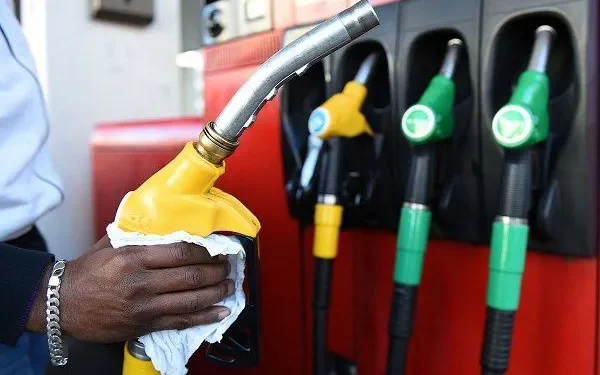

The Ranking Member on Parliament’s Energy Committee, George Kwame Aboagye, has called on the government to temporarily suspend the GH¢1 fuel levy to ease the burden of rising fuel costs on consumers.
Speaking on TV3’s Hot Issues on Sunday, April 19, 2026, the Asene/Manso/Akroso MP stressed that any meaningful relief must target direct tax components rather than operational margins set by agencies.
According to him, the current economic climate demands urgent and targeted intervention, proposing that the GH¢1 fuel levy suspension be implemented for a short period to provide immediate relief.
Also read: John Boadu seeks traditional blessings ahead of NPP Chairmanship bid
“We are not saying abolish it; we are saying suspend it because of the time we are in. The situation is not favourable, so the government should consider suspending the GH¢1 fuel levy for maybe one to three months,” he stated.
Mr Aboagye explained that taxes account for nearly 40 percent of fuel prices at the pump, arguing that even a modest reduction would significantly ease the financial strain on households and businesses.
The call for a GH¢1 fuel levy suspension comes amid broader government efforts to stabilise fuel prices.
Cabinet has already directed the Minister for Finance, Cassiel Ato Forson, and the Minister for Energy and Green Transition, John Abdulai Jinapor, to remove selected taxes and margins on petroleum products.
Government Spokesperson Felix Kwakye Ofosu announced that the directive will take effect from the current pricing window, which began on April 16, 2026, and will run for an initial period of four weeks.
He indicated that the intervention is aimed at cushioning the public against rising fuel prices linked to global tensions, particularly the ongoing conflict involving the United States, Israel, and Iran.
Despite these measures, Mr Aboagye insists that a direct GH¢1 fuel levy suspension remains the most straightforward and impactful step the government can take to provide immediate economic relief.
He urged authorities to act swiftly, noting that temporary fiscal adjustments would not cripple government operations but would instead support citizens through current economic pressures.