

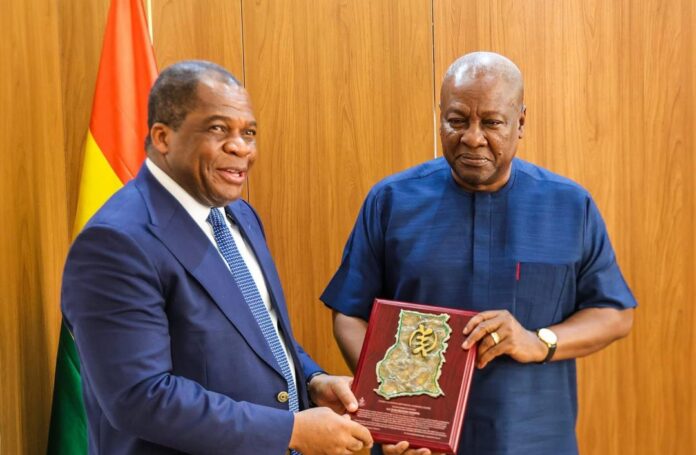

The Governing Council of the Ghana Immigration Service is advocating for the rollout of a major initiative dubbed Operation Secure Our Borders (SECOBOR), a public-private sector programme aimed at improving border security, infrastructure, and the welfare of immigration officers.
The proposal was presented at the Jubilee House when the Council, led by its Chairman, Rev. Stephen Yenusom Wengam, met President John Dramani Mahama to brief him on the strategic direction and priorities of the service.
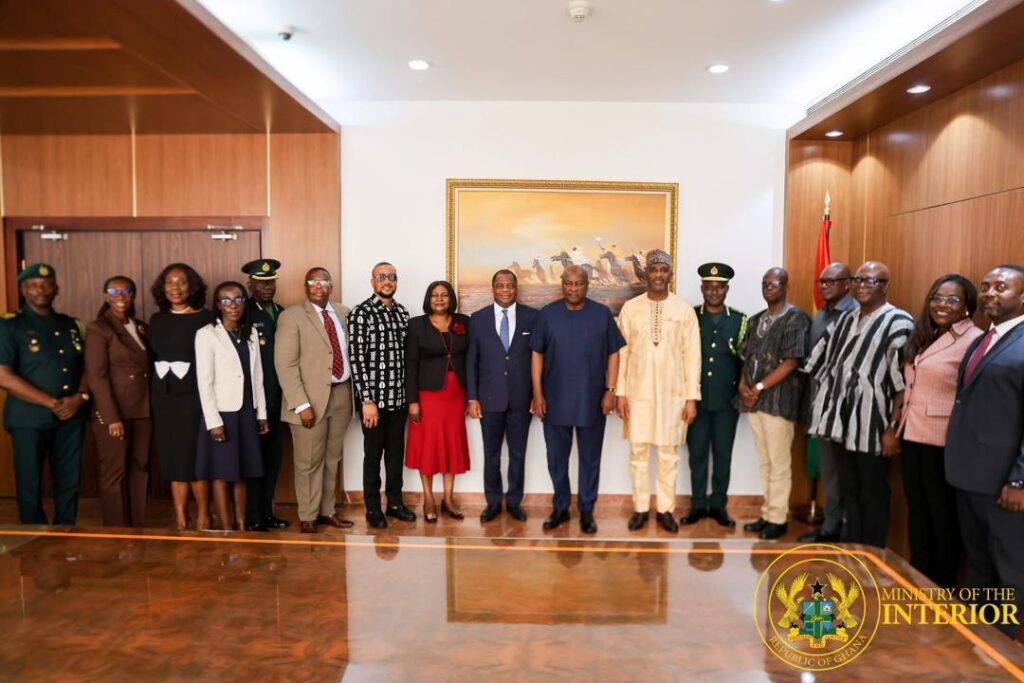
Rev. Wengam stressed that weak border management continues to expose Ghana to smuggling, human trafficking, and illicit trade, posing serious threats to national security. He also highlighted logistical challenges such as inadequate accommodation, vehicles, and motorbikes for officers stationed across the country.
Also read: Sri Lankan monks arrested after 110kg of cannabis discovered in their luggage
He further proposed that the GIS be allowed to retain at least 80% of its internally generated funds for five years to support infrastructure development and operations. According to him, the service generated over GH₵546 million in 2025, but current retention arrangements limit its operational capacity.
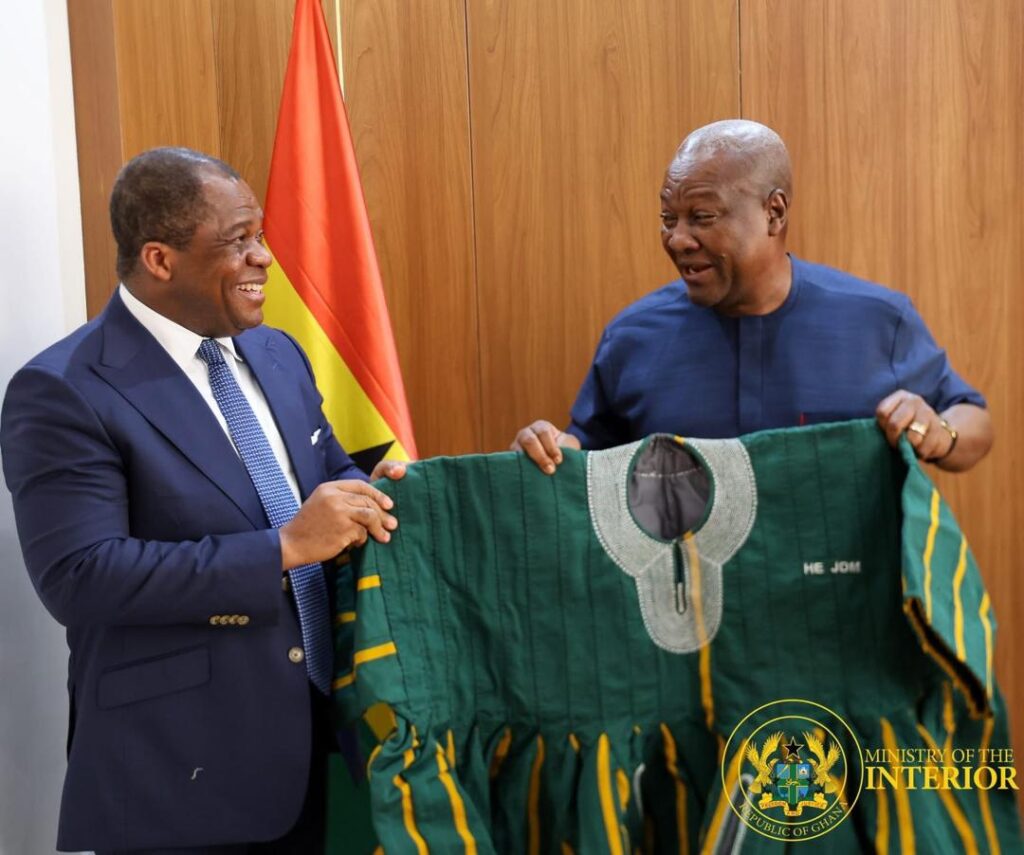
The Council Chair also revealed plans to introduce an electronic visa system in collaboration with relevant state agencies as part of broader digital transformation efforts. He noted that out of Ghana’s 48 approved border posts, only 12 are currently automated, underscoring the need for modernization.
Rev. Wengam added that SECOBOR is expected to support Ghana’s transition toward a 24-hour economy by ensuring continuous and secure border operations.
President Mahama expressed strong government backing for the initiative, stating that efforts were underway to retool and modernize the GIS while improving working conditions for officers.
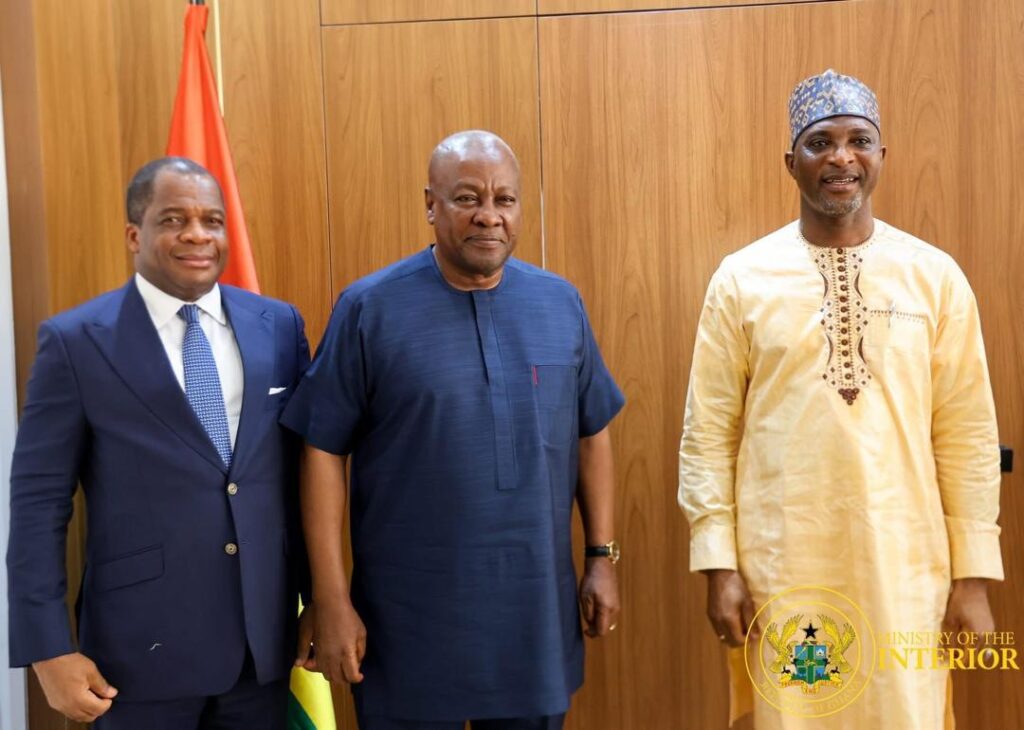
He also commended Rev. Wengam for his previous leadership of the Ghana Prisons Service reform agenda under “Project Efiase” and his current role in driving SECOBOR.
The Minister for the Interior, Hon. Alhaji Muntaka Mohammed-Mubarak, also emphasized the need to improve welfare and accommodation for immigration officers, especially those stationed in remote and high-risk areas.
He disclosed that seven new regional immigration offices are currently under construction to enhance border management nationwide.