

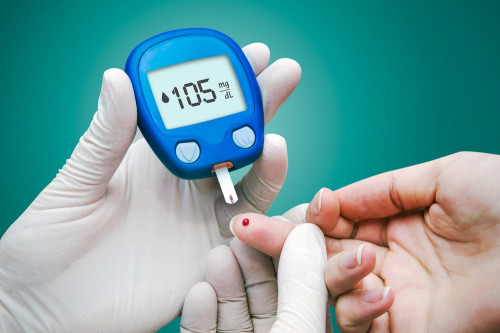

Not just the pancreas or kidneys, diabetes has far-reaching effects on several body organs
A person with diabetes can lose some feeling in their feet without realising it. A blister from a new pair of shoes, a small cut from walking barefoot or even a sharp object lodged in the heel may go unnoticed. The injury is there, but the usual warning signal, pain, never quite reaches the brain.
It is an unsettling complication, particularly because it can develop gradually. And it says something about diabetes that often gets lost in conversations about insulin, sugar levels and diet: the disease can affect parts of the body that seem to have very little to do with the pancreas.
The eyes are one example. So are the kidneys. The liver, heart, and brain are also affected, while some people develop digestive problems because the nerves controlling their stomach stop working properly.
Also read: Brighton stun Man City to maintain bright start
The damage is not always sudden, nor does everyone with diabetes develop all these complications. But years of poorly controlled blood sugar can leave a mark on several organs, sometimes before a person notices anything unusual.
India’s diabetes numbers make this a particularly relevant conversation. The ICMR-INDIAB study, published in The Lancet Diabetes & Endocrinology in 2023, estimated that 101 million Indians had diabetes and another 136 million had prediabetes. The study covered more than 113,000 people across the country. These numbers are not simply about how many people need to monitor their glucose levels. They also point to a much larger population that needs to understand the complications associated with the condition.
1. The feet can lose their ability to feel pain
One of the first places where diabetes-related nerve damage becomes noticeable is often the feet.
Peripheral neuropathy develops when prolonged high blood sugar damages the nerves. A person may initially experience burning, tingling or a sensation of pins and needles. Over time, some people lose sensation in their toes and feet.
This creates an unusual problem. Pain, which normally tells us to move away from something harmful, may no longer do its job.
A person can walk around with a blister, step on a sharp object or develop a wound from footwear that doesn’t fit properly. Without proper sensation, the injury may remain unnoticed. Poor circulation and delayed healing can make matters worse.
The US National Institute of Diabetes and Digestive and Kidney Diseases (NIDDK) estimates that around one-third to one-half of people with diabetes have peripheral neuropathy.
Diabetes can also damage autonomic nerves, which control functions that happen without conscious effort, such as digestion, heart rate, and bladder activity. So nerve damage is not necessarily limited to the hands and feet.
2. The eyes can be affected before vision changes
A person may have perfectly normal vision and still have diabetic retinopathy.
The condition affects the retina, the light-sensitive tissue at the back of the eye. Its tiny blood vessels are particularly vulnerable to prolonged high blood sugar. They can leak, become blocked or trigger the growth of abnormal new vessels.
A systematic review published in Ophthalmology in 2021 estimated that 22.27% of people with diabetes had some degree of diabetic retinopathy. The researchers put the global number of affected adults at 103 million in 2020 and projected that it could reach 160.5 million by 2045.
The absence of symptoms is part of the problem. Early retinopathy may not affect eyesight noticeably. Someone might continue driving, reading and working without knowing that changes are taking place inside the eye.
When the condition advances, blurred vision, dark spots and, in severe cases, vision loss can follow. Regular eye examinations are therefore necessary even when everything appears normal.
3. The kidneys may struggle long before a person feels ill
The kidneys filter waste from the blood through millions of tiny structures called nephrons. These structures contain delicate blood vessels, and persistent high blood sugar can damage them.
One early sign of trouble is albumin, a protein, appearing in the urine. Normally, healthy kidneys prevent significant amounts of this protein from escaping into urine.
Over time, the damage can reduce the kidneys’ ability to filter waste and excess fluid. This is known as diabetic kidney disease, which can progress to chronic kidney disease and, in advanced cases, kidney failure.
The CDC estimates that about one in three adults with diabetes has chronic kidney disease.
What makes this particularly difficult is that kidney damage doesn’t necessarily cause pain. A person may feel fine while kidney function is declining. Swelling around the feet and ankles, nausea, tiredness, and changes in urination may appear later.
Blood tests to measure kidney function and urine tests to detect albumin can help identify the problem earlier. They are part of routine diabetes monitoring, not tests that should be reserved for people who already have symptoms.
4. The heart faces a higher risk of disease and stroke
Diabetes changes more than the amount of glucose circulating in the blood. It also affects the blood vessels.
Persistently high blood sugar, particularly when accompanied by high blood pressure and abnormal cholesterol, contributes to damage inside the arteries. Fatty deposits can build up, narrowing the vessels and restricting blood flow. If an artery supplying the heart or brain becomes blocked, the result can be a heart attack or stroke.
According to the CDC, adults with diabetes are about twice as likely to develop heart disease or experience a stroke as adults without diabetes.
There is another aspect that receives less attention. Diabetes can damage the nerves that help regulate heart rate and blood pressure. This is called cardiovascular autonomic neuropathy. Some people experience dizziness when standing, an unusually fast resting heart rate, or reduced awareness of certain warning signs.
The heart and blood vessels are therefore an essential part of diabetes care. Monitoring blood pressure and cholesterol matters alongside blood glucose, particularly because several of these risk factors can occur together.
5. The liver can accumulate fat even without alcohol
Fatty liver disease is often discussed in the context of alcohol consumption, but alcohol is not necessary for fat to accumulate in the liver.
People with type 2 diabetes are particularly prone to metabolic dysfunction-associated steatotic liver disease (MASLD), formerly called non-alcoholic fatty liver disease.
Insulin resistance plays a major role. When the body does not respond properly to insulin, the way it processes glucose and fat changes. Excess fat can accumulate in liver cells, sometimes without causing any noticeable symptoms.
A 2024 meta-analysis published in Clinical Gastroenterology and Hepatology examined data from more than 2.2 million people with type 2 diabetes. It estimated that 65.33% had fatty liver disease.
That is a substantial overlap between two conditions that are often treated as separate health problems.
For some people, fatty liver remains relatively uncomplicated. In others, it progresses to inflammation and scarring, eventually leading to advanced liver disease. Having both diabetes and MASLD is also associated with greater cardiovascular risk.
The liver connection deserves attention because a person may have fatty liver without experiencing pain or digestive complaints. It can be discovered during blood tests or imaging investigations.
6. The brain may also pay a price
Diabetes has been linked to a higher risk of cognitive decline and dementia. Researchers believe several processes may be involved, including damage to blood vessels supplying the brain, inflammation, and metabolic changes associated with insulin resistance.
The relationship is particularly relevant when type 2 diabetes develops during middle age. A person diagnosed at 40 may spend decades managing the condition, potentially exposing the brain to prolonged metabolic and vascular stress.
The 2024 Lancet Commission on dementia included diabetes among the modifiable risk factors associated with dementia. This does not mean that everyone with diabetes will develop memory problems. It does mean that diabetes belongs in the wider discussion about brain health as people age.
The connection also reinforces why managing blood pressure, cholesterol and blood sugar should not be treated as separate exercises. All three can influence the health of blood vessels, including those supplying the brain.
7. The stomach may take much longer to empty
Someone with long-standing diabetes may finish a meal and still feel full several hours later. Nausea, bloating, and vomiting undigested food can also occur.
One possible explanation is gastroparesis, a condition in which the stomach takes too long to empty its contents into the small intestine.
The stomach normally contracts to move food along. These movements are coordinated partly by the vagus nerve. When diabetes damages the nerve, the stomach muscles may not work as they should.
The NIDDK identifies diabetes as the most common known cause of gastroparesis.
The condition can make eating difficult. A person may feel full after a few bites or experience nausea long after a meal. It can also complicate diabetes management because the delayed movement of food makes the timing of glucose absorption less predictable.
There is a detail worth remembering here: not every episode of nausea or early fullness in someone with diabetes is gastroparesis. Some diabetes medicines, including certain GLP-1-based treatments, can also slow stomach emptying. The American Diabetes Association’s 2026 clinical guidance recommends considering medication-related causes and other digestive conditions before diagnosing diabetic gastroparesis.
Diabetes care needs to look beyond the glucose reading
A blood sugar reading tells you what is happening at that particular moment. It cannot, by itself, tell you whether the retina is developing changes, whether albumin is leaking into the urine or whether sensation in the feet is beginning to disappear.
That is why diabetes follow-ups involve more than checking HbA1c. Eye examinations, kidney function tests, foot assessments, blood pressure checks, and cholesterol monitoring all have a place in long-term care.
The American Diabetes Association recommends regular assessment for nerve damage and annual foot examinations to identify people at risk of ulcers and amputation. The frequency of other tests depends on the type of diabetes, its duration, and a person’s individual risk.
There is no reason to assume that a diabetes diagnosis will eventually lead to damage in all seven organs. Good glucose control, appropriate treatment and timely screening can prevent or delay many complications.
But waiting for pain, blurred vision or swelling before checking for problems is a poor strategy. Some of the most serious effects of diabetes begin without an obvious warning.
The pancreas may be where the insulin problem starts. The consequences, however, can reach much further.
TOI