

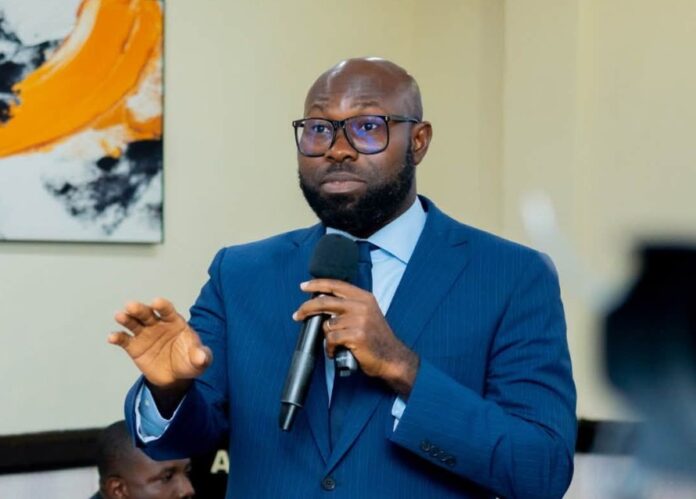

Suame Member of Parliament John Darko has urged Members of Parliament (MPs) to respond promptly and positively to journalists seeking their comments on allegations and politically sensitive issues to strengthen fairness and balance in parliamentary reporting.
He stressed the difficulties journalists face when they attempt to obtain responses from opposing political actors under tight publication deadlines.
Journalists, he said, could find themselves in a difficult position when one political side makes allegations at a press conference but the other side is unavailable to provide an immediate response.
Also read: NDC chairman’s exit raises fresh questions about Asiedu Nketiah’s 2028 flagbearership plan
Mr Darko, who represented the Minority at a training workshop for the Parliamentary Press Corps (PPC) last Thursday, stressed the need for MPs to recognise their responsibility to make their positions known when journalists seek clarification or a response to allegations.
He noted that refusal by MPs to avail themselves for reactions can leave reporters struggling to decide whether to publish a story based on the available information or delay publication while waiting for a response.
The challenge is particularly pronounced during press conferences where political actors make allegations and expect the media to report their claims promptly.
The discussion acknowledged that journalists must balance the need for timely reporting with their responsibility to ensure that stories are fair, accurate, and credible.
Participants identified fairness and balance as among the most difficult journalistic standards to maintain under deadline pressure.
When asked which professional expectations are hardest to meet within tight deadlines, one participant answered: “Fairness and balance.”
The response prompted further discussion about whether journalists should compromise those standards when they are unable to obtain comments from the other side.
The conversation underscored the importance of cooperation between journalists and public officials in ensuring that the public receives a comprehensive account of issues under debate.
Mr Darko’s presentation also addressed the broader expectations placed on parliamentary correspondents, including accuracy, accountability, credibility and the need to provide sufficient context when reporting allegations.
He emphasised that journalists should seek responses before publishing allegations in important cases, while MPs and other public officials should also remain accessible to facilitate responsible reporting.
The Suame MP also stressed the importance of avoiding sensationalism and prioritising substantive issues in parliamentary coverage.