

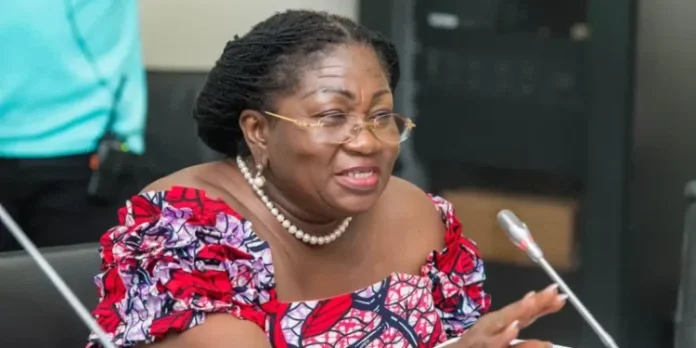

Deputy Minority leader and Chairperson of the Parliamentary Caucus on Population and Development, Hon. Patricia Appiagyei, has called for a significant expansion in Ghana’s capacity to treat obstetric fistula.
She warned that the country risks missing the global target of eliminating the condition by 2030 if urgent action is not taken.
Addressing Parliament in a statement to commemorate the International Day to End Obstetric Fistula, the Asokwa Member of Parliament lamented the growing burden of the condition and the limited number of women currently receiving life-changing surgical treatment.
According to her, Ghana is estimated to have between 7,000 and 12,000 women and girls living with obstetric fistula, while approximately 845 new cases emerge annually. Despite the scale of the challenge, only between 60 and 200 women undergo surgical repairs each year.
Also read: KATH doctors suspend industrial action after Otumfuo mediation
Hon. Appiagyei described the disparity as alarming, noting that Ghana would need to increase repairs to between 2,200 and 3,000 cases annually if it is to clear the backlog and achieve the United Nations target of ending obstetric fistula by the end of the decade.
“Ghana cannot achieve the target of the global campaign to end obstetric fistula by 2030 with the current rate of repairs,” she stated. “We need accelerated interventions and expanded treatment services across the country.”
Obstetric fistula is a childbirth injury caused by prolonged obstructed labour without timely access to emergency medical care. The condition often results in chronic incontinence, severe health complications, and social exclusion for affected women.
The legislator stressed that beyond the physical suffering, many survivors endure years of stigma, isolation, and economic hardship. Some are abandoned by their families and spouses, while others are unable to work or participate in community life because of the condition.
She expressed concern that many women remain untreated because they cannot afford the cost of surgery or access specialised facilities capable of performing fistula repairs.
Hon. Appiagyei therefore called on the Ministry of Health and the Ghana Health Service to establish additional fistula repair centres, particularly in regions where the condition is most prevalent.
She also urged the government to integrate fistula treatment into the National Health Insurance Scheme (NHIS) and the Mahama Cares initiative to remove financial barriers that prevent women from seeking care.
“Women suffering from fistula should not be left to depend on charity to regain their dignity and health,” she said. “Treatment should be accessible and affordable to every survivor.”
The MP further advocated stronger community awareness campaigns to educate the public that obstetric fistula is a medical condition and not a curse or spiritual punishment.
She identified teenage pregnancy, child marriage, female genital mutilation, and inadequate access to skilled maternal healthcare as key factors contributing to the condition and called for intensified efforts to address them.
Hon. Appiagyei also appealed to Members of Parliament to become advocates for maternal health in their constituencies by supporting initiatives that promote safe childbirth and early treatment for fistula survivors.
She commended the United Nations Population Fund (UNFPA), healthcare professionals, and development partners working to combat obstetric fistula and urged Parliament to support the Partnership to End Obstetric Fistula in Ghana (PEFIG).
The Asokwa lawmaker emphasized that ending obstetric fistula is achievable if the government, healthcare institutions, civil society, and communities work together to ensure that no woman is left behind.