

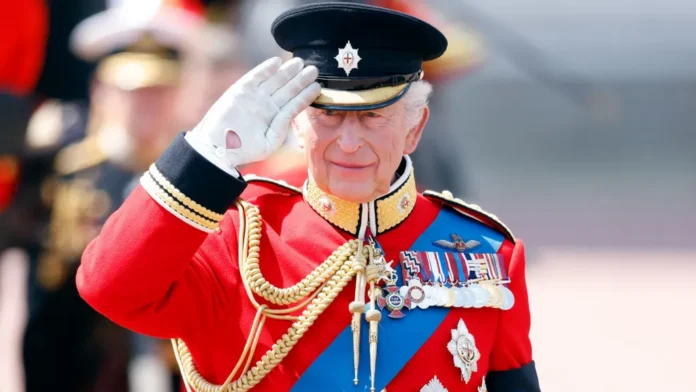

King Charles has become the first monarch to reveal their tax bill, disclosing figures that show he paid £12.9m in tax for 2024-2025.
The level of tax paid by the King places him among the top 100 UK taxpayers.
The Prince of Wales declared he paid £7.76m tax over the same period, the figures in the annual royal report and accounts show.
It has also been revealed that the King and Queen Camilla will continue to live in Clarence House and not move into Buckingham Palace.
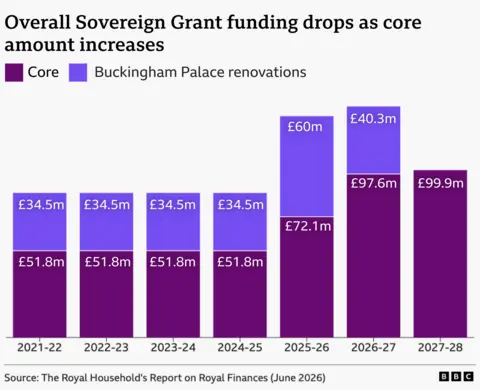
Meanwhile, the accounts show that the main source of annual public funding for the Royal Household – the core element of the Sovereign Grant – will nearly double within three years to just under £100m by 2027-28.
The Sovereign Grant for 2024-25 was £86.3m, with £51.8m of it going towards core spending and an extra £34.5m funding Buckingham Palace renovations.
Also read: PRINPAG fights back after The Herald editor Larry Dogbe convicted of contempt
When this work is finished, the overall figure will fall from £137.9m to £99.9m, but this will be significantly higher than in previous years.
The grant funds the monarchy’s running costs, including staffing, travel for royal engagements and official household expenses, such as receptions and the maintenance of palaces.
The accounts also show the King paid £11.7m in tax for 2023-24, while Prince William paid £8.34m for the same period.
The change in publishing details of the King’s personal tax comes after calls for greater transparency around royal finances, following scandals surrounding Andrew Mountbatten-Windsor.
MPs raised concerns about a lack of accountability over how public funding was used by the royals, and this shift in approach in the annual Palace accounts seems to reflect the public mood for more openness.
The publication of how much tax the King and Prince William voluntarily pay was a personal decision made by both men, according to their offices.
Buckingham Palace described the move as increasing transparency and aimed to “encourage wider understanding of our accountability”.
Since the King became monarch in 2022 and William the Prince of Wales, the combined tax bill of father and son paid to HM Revenue and Customs has been more than £50m.
While the new figures show the monarch paid the highest rate of tax, they do not give any detailed breakdown of how the tax was calculated.
“We don’t know how much of that is capital gains tax, how much is income tax,” he told BBC Radio 4’s Today programme.
“Very importantly, we don’t know what expenses he’s deducted to come up with the figure on which he pays the tax.”
King and Queen will not live in Buckingham Palace after renovations
The King receives annual income from his Duchy of Lancaster estate, established to give the monarch an independent source of funds for official and private expenditure.
It is a portfolio of land, investments and properties, and provides the King with an annual income that in 2025-26 was £25.2m.
His other sources of income liable for taxation include his own investments and savings, and money generated by his private estates, Balmoral and Sandringham.
Initially, Prince William did not release his tax payments when he became heir to the throne – but in line with his father, he has now made his payment of income and capital gains tax public.
“Prince William pays income tax at the highest rate on any net surplus after those costs have been met. Those costs are independently audited to ensure that any deductions are appropriate,” said the prince’s private secretary Ian Patrick.
“The prince recognises the interest in these arrangements and the importance of appropriate transparency.”
The tax payable for 2025-2026 is still being audited and will be made public next year.
The income from or any details on private investments of both the King and Prince William have not been disclosed.
He has asked for the sum to be removed from the income of the Duchy of Cornwall, with the money instead spent on supporting the local community, particularly rural Princetown near the prison.
Historian Anna Whitelock told BBC News that the King revealing his tax bill puts him “front and centre as a very rich man”.
“I do think this is very much a sign of the times, and it’s an attempt by the monarchy to try and get on the front foot and before they were absolutely pushed to try and show they are responsive and not reactive.”
Norman Baker, former Lib Dem Home Office minister and a critic of royal funding, said the tax payments show both the King and Prince William’s sources of income were “enormous” and why they were “so expensive” needed to be explained.
“If Charles is talking about slimming down the monarchy and William as well, we want slimmed-down costs, not just fewer people on the Buckingham Palace balcony.”
The higher figure was decided upon by Royal Trustees – Prime Minister Sir Keir Starmer, Chancellor Rachel Reeves and the King’s keeper of the Privy Purse and treasurer James Chalmers.
The extra money will be used to pay for the upkeep of historic buildings, strengthen cyber security at royal residences and support the transition to green energy, with £11m earmarked to replace boilers at Windsor Castle.
Chalmers insisted the funding was “not a blank cheque” and that there were strict checks to ensure the grant was value for money.
“Expenditure is governed by the same standards and disciplines as any publicly funded body, with strict value-for-money requirements, detailed planning, multi-year strategies, independent audit and Treasury oversight,” he said.
For the past 10 years, the Sovereign Grant has been at a higher level than its core sum to cover the £370m costs of refurbishing Buckingham Palace, which will be completed by the end of 2027.
With the work finished, the annual figure will fall to a core fund of £99.9m – a sum that will remain unchanged for the following five years, when it will next be reviewed – but will still be significantly higher than previous years.
“It is important to emphasise that the Sovereign Grant does not provide personal income to members of the Royal Family,” Chalmers said. “It funds the work of the institution – not private lives or private wealth.”
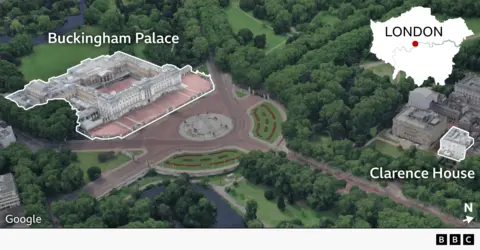
The decision by the King and Queen to continue living in Clarence House, where they have since 2005, has been taken to allow greater public access to Buckingham Palace, officials said.
It is hoped this will also allow the landmark to generate more income.
It will mark the first time since Queen Victoria’s reign that a monarch has chosen to reside away from Buckingham Palace.
It has also been revealed that operating profit of the Crown Estate – which oversees the Royal Family’s property holdings and is an independently run commercial business with profits going to the Treasury – slumped over the past year.
It fell to £1.2bn in the year to March, compared to £1.4bn last year.
The Sovereign Grant is based on a percentage of the profits of the Crown Estate. The grant does not come from the Crown Estate but the Treasury, though the Crown Estate is used as a benchmark.
Figures showed the drop was primarily linked to offshore wind, as a previous boost from fees linked to offshore wind faded away, with projects now entering construction.
Earnings had spiked to record levels in the past two years thanks to option fees – payments made by companies to reserve a part of the seabed to eventually build wind turbines on.
BBC